
Ibogaine for PTSD and TBI After “In Waves and War”: A Gentler Path Through Mesodosing
When the ibogaine documentary “In Waves and War” landed on Netflix, many of us in the ibogaine community applauded both Netflix and Ambio Life Sciences for using their influence to bring ibogaine treatment into the mainstream clinical conversation.
The film follows former U.S. military personnel living with severe post-traumatic stress, depression and mild traumatic brain injury as they travel to a clinic in Mexico for ibogaine therapy for veterans, with a research team from Stanford tracking what happens next.
It is emotional, sometimes brutal, and often beautiful. It also does three important things at once: it names the invisible wounds of war, makes it more acceptable to look beyond standard systems for help, and brings ibogaine for PTSD out of the shadows and into mainstream discussion.
Ambio Life Sciences, the US clinic based in Mexico, sits at the centre of that story. Ambio has also worked with Stanford on research in Nature Medicine showing significant shifts in mood and functioning for veterans with traumatic brain injury who received ibogaine for PTSD there.
At Mesodose, we see this as part of a bigger picture. The courage of the men in the film and the work of teams like Ambio have pushed the whole field forward.
But a ninety-minute documentary can only say so much. It leaves viewers with big questions like:
- Is ibogaine for PTSD a magic solution?
- Is Mexico the place everyone has to go?
- How does safety really work?
- What about those who cannot imagine flying into a place they associate with danger?
Here at Mesodose we often work with Tabula Rasa Retreat, a holistic, medically assisted ibogaine treatment centre in Portugal, and Ibogenics, the company that provides pharmaceutical-grade ibogaine for clinical research.
Together, we want to widen the conversation, and to add another perspective: the slower, day-to-day practice of mesodosing with ibogaine that complements a flood-dose journey.

PTSD, mTBI and the Layered Cost of Service
“In Waves and War” shows clearly that these veterans seeking ibogaine for PTSD are not dealing with one neat diagnosis. They are carrying multiple injuries at once.
On one layer there is PTSD: flashbacks, nightmares, constant alertness, emotional numbness, anger that can flare from nowhere. On another layer there is the question of mild traumatic brain injury treatment: headaches, difficulty concentrating, foggy thinking, balance issues, disrupted sleep and mood swings.
In veterans, the PTSD and mTBI overlap is so strong that these two pictures are often mislabelled or missed. Research has demonstrated that mild TBI and PTSD frequently co-occur, and that head injuries increase the risk of later depression and post-traumatic stress.
When that is the case, talk therapies alone can struggle to reach the heart of things. People are often juggling:
- Structural or functional changes in the brain.
- Deep psychological and moral wounds.
- Nervous systems that never really stand down.
- Substance use as an attempt to hold everything together.
One partner in the film talks about her husband’s journey through the Veterans Affairs system: sleep labs, scans, psychological testing, and a long list of medications – for energy, for nightmares, for low mood, for anxiety. He did what he was told and still felt himself slipping.
He realises, with relief, that many things he has carried as personal failure were never his fault. The feeling of being weighed down eases and he describes his brain as if it has been reorganised. The “armour” he built up over the years drops away just enough for him to feel light again.
Another recognises how early childhood fear led him to become someone dangerous, so that he would never again feel like a victim. He sees that in many ways he has been more frightened of living than of dying.

Big Protocols, Big Promises, and the Missing Pieces
The film sits inside a wider wave of interest in ibogaine.
Stanford Medicine has reported that ibogaine-assisted therapy delivered with intensive monitoring can significantly improve depression, anxiety and functioning in special operations veterans with TBI. Ambio Life Sciences has been a key partner in this work, turning ibogaine into something more structured and physician-led.
When you put robust data alongside human stories, it is easy to see why people talk about a “reset”.
From where we stand at Mesodose, the more useful question is not “Does ibogaine work?” but “How do we build programmes that honour both the acute experience and the long game of healing?”
Where we fit in to recovery from either PTSD and mTBI is in our range of ibogaine tinctures (Ibotinctures). Our mesodosing protocol is designed to support neurological repair and symptoms of PTSD, and is suitable either before a full dose of ibogaine or a sustainable aftercare plan.
But naturally, a ninety-minute film cannot show that long game. It has no time to dwell on:
- The slow preparation work that builds safety and trust.
- The months and years of slow integration work that follow a big “reset”.
- The daily nervous-system care – sleep, food, breath, movement – that matters so much, especially with mTBI.
- The reality that some people need more support after a flood dose, not less.
- This is where other approaches, including our mesodosing ibogaine protocols, enter the conversation.

The Mexico Question: Safety, Fear and Nervous Systems on High Alert
The veterans in the film travel to Mexico because ibogaine is illegal in the United States, as well as most countries.
For some, that feels manageable. For others, especially those whose nervous systems are already on high alert, ibogaine safety concerns mix with the idea of flying into a country they mostly encounter through stories about cartel violence, and that combination can be overwhelming.
Official travel advisories and media reports talk about increased caution, kidnapping risks in certain regions and, occasionally, horrific incidents near the border. Social media circulates images of supposed cartel “banners” warning tourists away from resort towns.
None of this means that Mexico as a whole is a warzone, or that serious clinics are careless with safety. But if you live with PTSD, the perception of danger can be enough to tip your system over.
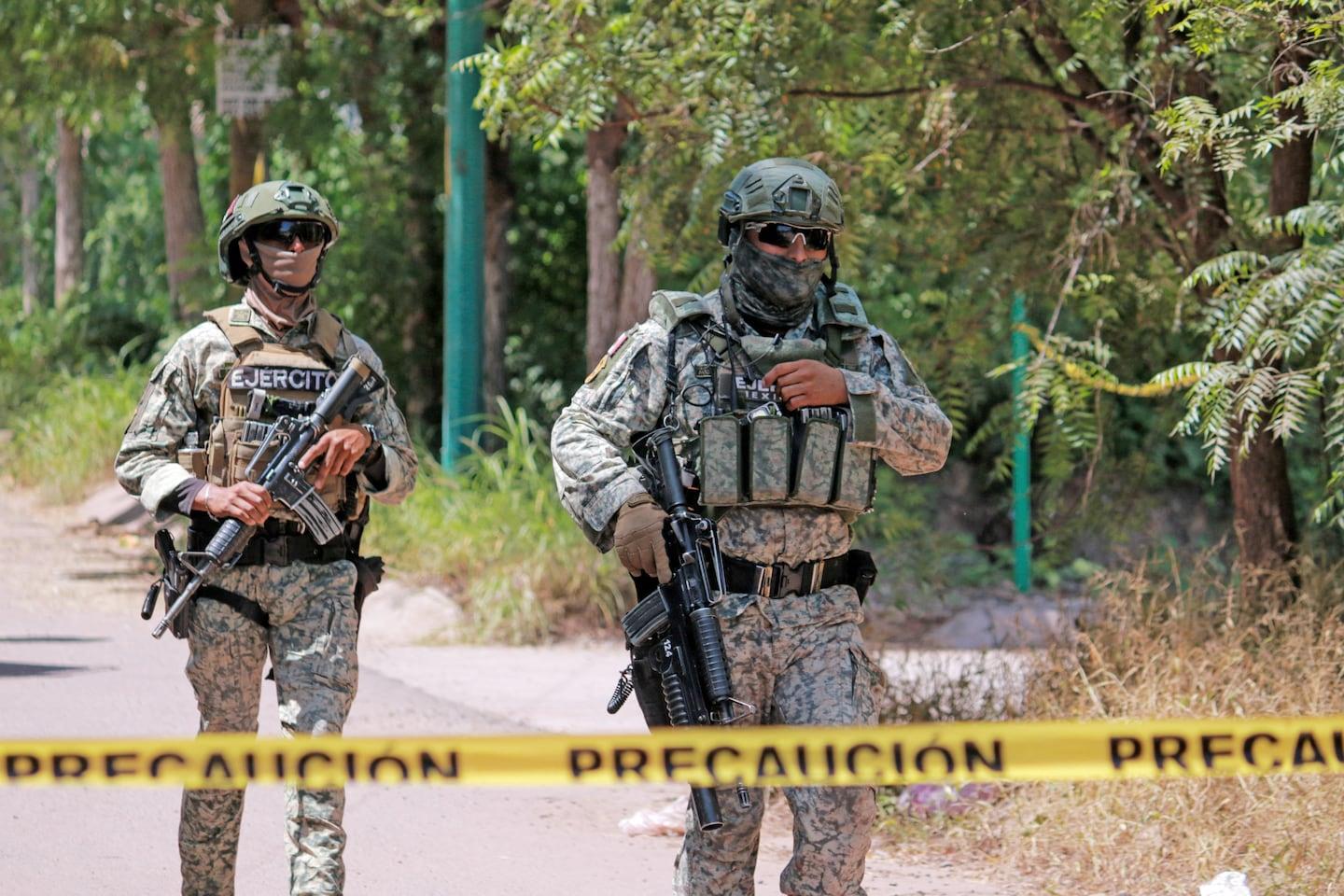
For some people, the combination of long-haul flights, unfamiliar checkpoints and armed police is simply more than they can handle right now. That is one reason why options in Europe matter. It is also why some begin to ask whether a single, intense dose is the only way in — or whether ibogaine alternatives might offer a safer beginning.
Flood Doses and Meso-Dosing Are Not Enemies
The documentary understandably focuses on a very particular model: highly screened veterans, intensive medical support, and a single, flood-dose ibogaine session in Mexico.
In reality, the wider ibogaine world is more varied. There are also carefully designed flood-dose programmes administered by ibogaine clinics in Europe, like Tabula Rasa Retreat. There are also psychedelic therapists who specialise only in preparation and integration, helping clients make sense of past journeys.
And there is a growing community of people who, like us at Mesodose, explore the benefits ibogaine within a daily mesodosing protocol.
Mesodosing with ibogaine will not replace an intensive programme for everyone, and it is not suitable for all medical profiles. But for some, especially those whose nervous systems feel too fragile for a big “reset”, it can be a gentler way to begin working with the same plant.
At Mesodose, we support this kind of slower work with our own ibotincture range for mesodosing, combined with education around sleep, nutrition, breath and integration. The aim is to build capacity gradually rather than forcing change all at once.
Flood-dose clinics and mesodosing programmes are not enemies. They are different tools in a larger toolkit. The important question is: which tool, at which moment, for which person, and how do you choose between a meso-dosing protocol or a flood-dose at a clinic if you are considering ibogaine for PTSD?

If You Recognised Yourself in the Film
If you watched “In Waves and War” and recognised yourself in the veterans on screen (the shutdown, the volatility, the way your brain has not felt the same since an injury or blow) please take this seriously.
You are not exaggerating. The PTSD and mTBI overlap in veterans is real, and it is getting more attention in research and treatment.
“In Waves and War” has opened a door, and our hope at Mesodose is that more people walk through it slowly, with good information, nervous system healing in mind, and the support they deserve whether they are exploring ibogaine for PTSD, depression, substance addiction or behavioural addictions.

Explore Ibogaine Ibotincture™
Considering a gentle, felt-sense protocol? Browse our artisanal tinctures and community resources. Always follow guidance; start low, go slow.
Legal status varies by country. This article is informational only and not medical advice.